TL;DR: The video game industry in 2026 is being shaped by AI-driven development, evolving live-service models, user-generated content platforms, mobile dominance, and fully connected cross-platform ecosystems. Games are no longer just products; they’re ongoing platforms.
The global gaming industry has now comfortably crossed the $200 billion mark. But the real shift isn’t just growth, it’s how games are built, played, and monetized.
Today’s games are living systems. They evolve over time, connect players across devices, and increasingly allow users to create their own experiences. If you want to understand where gaming is heading, these are the trends that matter right now.
1. Live-Service Games Have Become Full Ecosystems

Live-service games are no longer just about seasonal updates. They’ve evolved into full entertainment platforms.
Titles like Fortnite and Apex Legends now host events, collaborations, and creator-driven content inside the game itself.
- Continuous content instead of fixed updates
- In-game economies layered with cosmetics and passes
- Social experiences built into gameplay
These games now function more like platforms than standalone titles.
Read more about gaming monetization strategies
2. AI Is Changing How Games Are Made
AI is now deeply integrated into game development pipelines.
Studios are using AI for:
- Environment and asset generation
- NPC dialogue and behavior
- Code assistance and testing
Companies like Ubisoft and Unity are actively building AI-powered tools into their ecosystems.
The biggest shift is speed. Smaller teams can now build bigger, more complex games.
At the same time, there are real concerns around:
- Creative control
- Job roles shifting
- Over-reliance on automation
3. User-Generated Content Is Reshaping Gaming
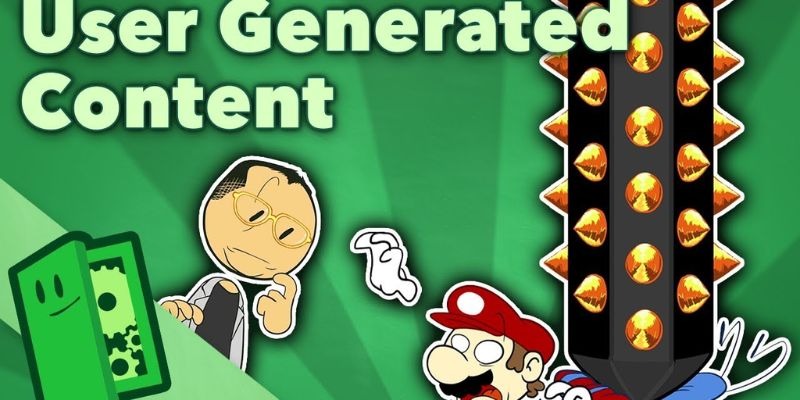
One of the biggest shifts in 2026 is the rise of player-created content.
Platforms like Roblox and Fortnite’s creative modes allow users to build and monetize their own experiences.
This changes everything:
- Players become creators
- Games get infinite content
- New creator economies emerge
Gaming is no longer just played, it’s built by its community.
4. Mobile Gaming Still Leads the Market
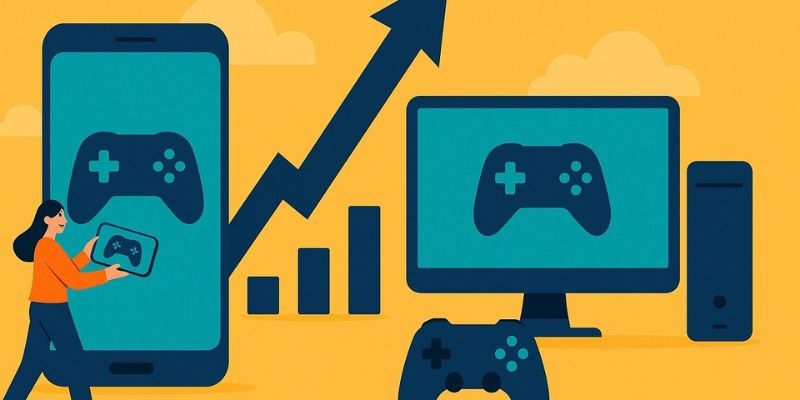
Mobile remains the largest segment, but it’s no longer just casual gaming.
Games like Genshin Impact have shown that mobile can deliver high-quality, console-level experiences.
What’s driving growth:
- Better smartphone hardware
- Cross-platform progression
- Cloud gaming integration
Mobile is now part of core gaming, not separate from it.
5. Cross-Platform Gaming Is the Standard
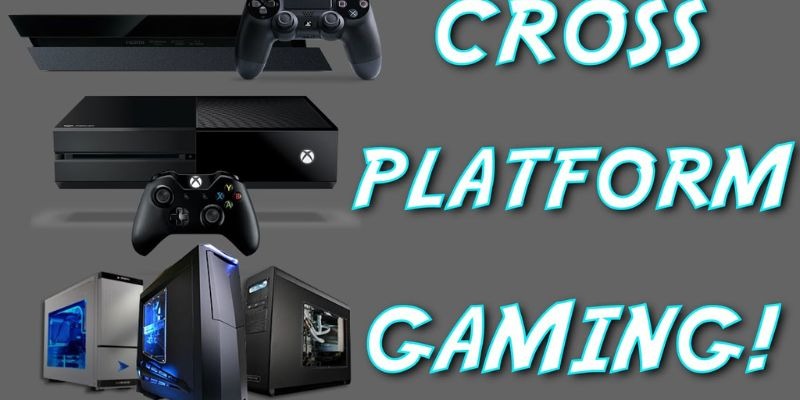
Cross-platform play is no longer optional. It’s expected.
Games like Minecraft and Fortnite allow players to connect across devices seamlessly.
Cloud services like:
- Xbox Cloud Gaming
- NVIDIA GeForce Now
are pushing this even further by reducing hardware dependency.
The focus has shifted from hardware to ecosystems.
6. Esports Is Becoming More Sustainable
Esports is no longer in a pure growth phase. It’s stabilizing.
Competitive titles like Valorant and Counter-Strike 2 continue to dominate, but the business model is evolving.
Key changes:
- Less reliance on franchised leagues
- More focus on open and grassroots systems
- Stronger integration with streaming platforms like Twitch
The industry is moving toward long-term sustainability instead of hype-driven expansion.
7. AAA Risk Is Rising While Indie Games Grow
AAA game development has become extremely expensive and risky.
As a result:
- Studios are playing safe with sequels
- Development cycles are getting longer
- Innovation is slowing at the top
Meanwhile, indie developers are thriving thanks to:
- AI tools
- Digital distribution
- Lower barriers to entry
Innovation is increasingly coming from smaller studios.
What This Means for Players
Gaming in 2026 offers more than ever, but it also comes with trade-offs.
- More content, but more monetization layers
- More access, but more platform fragmentation
- Better technology, but higher time investment
Smart players:
- Understand in-game economies
- Choose platforms carefully
- Follow long-term trends, not short-term hype
The Industry Has Already Changed
Gaming is no longer just entertainment.
It’s now:
- A platform
- A social ecosystem
- A creator economy
- A technology battleground
The biggest signal to watch?
Where players spend time and money. That’s where the industry is heading next.
FAQs
What is the biggest gaming trend in 2026?
AI-driven development and user-generated content platforms are the most impactful trends.
Is mobile still the largest gaming segment?
Yes, and it continues to expand into core gaming experiences.
Is cross-platform gaming important?
Yes, it has become a standard expectation for multiplayer games.
Are indie games growing?
Yes, faster than AAA in terms of innovation and experimentation.