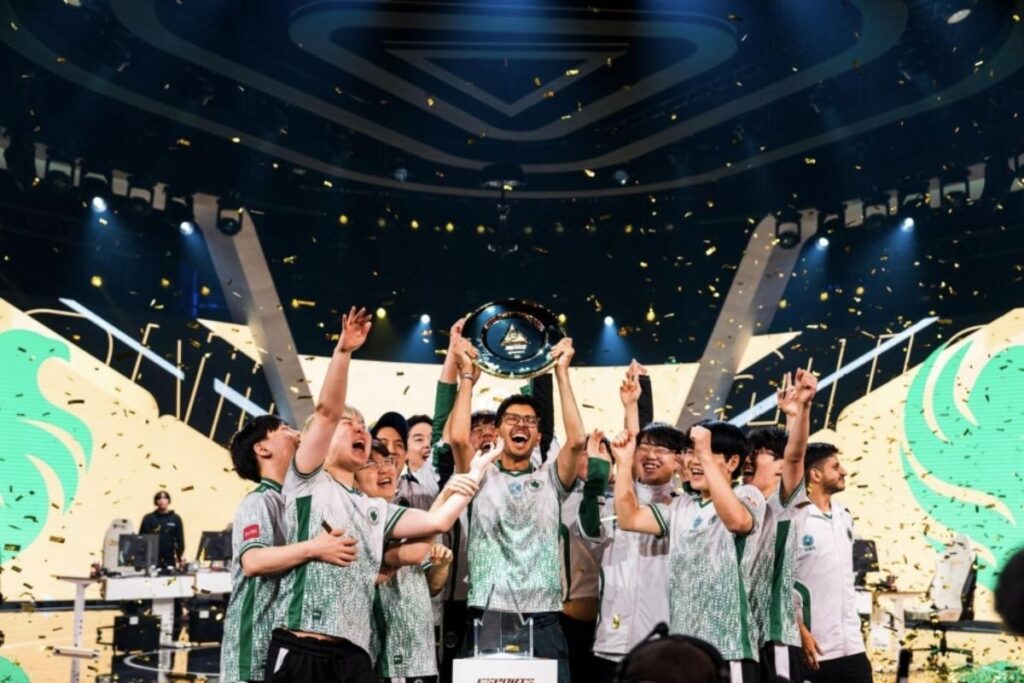
TL;DR: Esports teams like TSM, FaZe Clan, Fnatic, NRG, and G2 Esports are leading competitive gaming in 2026, competing across titles like CS2, Valorant, League of Legends, and Fortnite. These organizations generate revenue through sponsorships, tournament prizes, and streaming, and show no signs of slowing down.
Competitive gaming has moved well beyond basement setups and LAN parties. Esports is now a multi-billion-dollar global industry, with professional teams competing in front of sold-out arenas and millions of online viewers. The teams at the top aren’t just skilled at games they operate like full-scale sports franchises, complete with coaches, analysts, media deals, and global fanbases.
This post breaks down what esports teams are, which organizations are leading the pack in 2026, the games they compete in, how they make money, and where the industry is headed next.
What Are Esports Teams and How Do They Operate?
Esports teams are professional organizations that recruit, train, and manage competitive gamers across one or more game titles. A top-tier team typically fields multiple rosters one for each game they compete in, supported by coaching staff, performance analysts, nutritionists, and content creators.
Behind the scenes, esports organizations function much like traditional sports franchises. They sign players to contracts, negotiate brand partnerships, manage social media channels, and participate in structured league seasons or open tournament circuits. Many of the biggest teams are incorporated as companies with investors, boards, and dedicated executives running day-to-day operations.
Which Esports Teams Are Dominating in 2026?
TSM (Team SoloMid)

Founded in 2009, TSM remains one of the most recognized names in North American esports. The organization competes across multiple titles and maintains a massive social media following that few teams can match. TSM has consistently leveraged its brand identity to attract high-profile sponsorships, making it one of the most commercially successful esports organizations in the world. Learn more about TSM esports team.
FaZe Clan

FaZe Clan built its reputation through a unique blend of competitive gaming and influencer culture. Originally a Call of Duty and CS clan, FaZe has since expanded into Valorant, Fortnite, and beyond. The organization blurs the line between esports team and entertainment brand, with members who are as well known for their content as their competition results. Explore FaZe Clan roster and updates.
Fnatic

Europe’s Fnatic is one of the oldest and most decorated esports organizations in history, with roots stretching back to 2004. Fnatic competes across CS2, Valorant, and League of Legends, among others. The team’s global reach and consistent performance have made it a perennial fixture at top-tier international events. Check Fnatic esports history and team.:
NRG

NRG has established itself as a serious competitor in North American esports, particularly in Valorant and Rocket League. The organization is known for developing rising talent and building competitive rosters that punch above their weight at major tournaments. Visit NRG esports official page.
G2 Esports

G2 Esports has become one of the most dominant European organizations across multiple titles. Known for an aggressive, entertaining playstyle and a strong content operation, G2 competes at the highest level in CS2, League of Legends, and Valorant. The team’s outspoken CEO, Carlos “ocelote” Rodríguez, has made G2 as much a media brand as a competitive powerhouse. See G2 Esports teams and results,
What Games Do the Top Esports Teams Compete In?
The biggest teams field rosters across the games that attract the largest audiences and prize pools.
- CS2 (Counter-Strike 2): Valve’s tactical shooter remains a cornerstone of competitive esports. Teams like Fnatic and G2 compete at Majors with prize pools reaching millions of dollars. Learn more about CS2 competitive scene.
- Valorant: Riot Games’ tactical shooter has grown rapidly since its 2020 launch. The Valorant Champions Tour (VCT) provides a structured competitive framework that top teams like NRG and FaZe have invested in heavily. Details on Valorant Champions Tour (VCT)
- League of Legends (LoL): Still one of the most-watched esports globally, LoL’s regional leagues, LCS, LEC, LCK, give teams like TSM and G2 a reliable competitive calendar year-round. Explore League of Legends esports leagues,
- Fortnite: Epic Games’ battle royale continues to attract competitive players and massive prize pools, with FaZe Clan among the most prominent teams in the scene. Check Fortnite competitive tournaments.
How Do Esports Teams Make Money?

Revenue generation in esports is more diversified than many people realize. The top teams rely on several income streams simultaneously.
Sponsorships are the biggest driver of revenue. Brands across tech, energy drinks, apparel, and financial services pay top dollar to associate with high-profile esports organizations. TSM’s multi-year deal with FTX (before the crypto firm collapsed) and FaZe Clan’s partnerships with major consumer brands highlight how significant these agreements can be.
Tournament prize money contributes directly to team income, though for most organizations, it represents a smaller share of total revenue than sponsorships. Top teams still pursue major events aggressively, both for the payout and the brand exposure.
Content and streaming have become increasingly important. Teams with dedicated content arms generate advertising revenue, subscription income, and merchandise sales through YouTube channels, Twitch streams, and social platforms. FaZe Clan, in particular, has built a content machine that rivals traditional media companies. You can explore how esports teams earn money.
Merchandise and licensing round out the picture, with branded apparel, peripherals, and collectibles giving fans a tangible way to support their favorite organizations.
Why Are Esports Teams Growing So Fast?
Several factors are converging to accelerate esports growth in 2026.
Younger audiences are driving demand. Gen Z and Gen Alpha grew up gaming, and they consume esports content the way previous generations watched traditional sports. Streaming platforms have made it easier than ever to follow teams and players in real time, without needing a cable subscription or a ticket to a venue.
Institutional investment has also played a major role. Private equity firms, celebrity investors, and traditional sports franchises have poured capital into esports organizations, raising the ceiling for what these teams can achieve. This influx of funding has professionalized operations, improved player welfare, and elevated the quality of content produced.
Finally, game publishers have worked to create stable competitive ecosystems. Riot Games’ structured Valorant Champions Tour and League of Legends regional leagues give teams predictable revenue and exposure, reducing the volatility that plagued early esports business models. Read more about esports industry growth trends.
What Does the Future Look Like for Esports Teams?
The trajectory points upward, but the path forward comes with nuance. Franchised leagues have brought stability to some titles, while other games have maintained open circuits that reward performance over investment. Teams that can navigate both models, and diversify their revenue beyond any single game, are best positioned to thrive.
Emerging technologies will also shape how teams operate and how fans engage. Mixed reality broadcasts, AI-assisted performance analysis, and new monetization tools on streaming platforms all represent opportunities that forward-thinking organizations are already exploring.
The teams that treat esports as a long-term media and entertainment business, rather than solely a competitive endeavor, are the ones likely to define the industry over the next decade.
The Esports Teams Shaping What Comes Next
The esports organizations leading in 2026, TSM, FaZe Clan, Fnatic, NRG, and G2 Esports didn’t get there by accident. Each has built a distinct identity, invested in talent, and found ways to generate revenue beyond tournament winnings alone.
For fans, this means more content, more competition, and more reasons to tune in. For the industry, it signals a maturation that few could have predicted even a decade ago. Esports is no longer a niche and the teams at the top are proving it every week.
Frequently Asked Questions
What are the biggest esports teams in the world in 2026?
The most prominent esports organizations in 2026 include TSM, FaZe Clan, Fnatic, NRG, and G2 Esports. Each team competes across multiple game titles and operates large-scale media and content businesses alongside their competitive rosters.
What games do top esports teams compete in?
Top esports teams primarily compete in CS2, Valorant, League of Legends, and Fortnite. These titles offer the largest prize pools, the most structured competitive formats, and the biggest global audiences.
How do esports teams make money?
Esports teams generate revenue through brand sponsorships, tournament prize money, streaming and content creation, and merchandise sales. Sponsorships typically represent the largest share of income for established organizations.
Why is esports growing so quickly?
Esports growth is driven by younger audiences who grew up gaming, increased institutional investment from private equity and traditional sports franchises, and structured competitive ecosystems created by major game publishers like Riot Games and Valve.
Is esports a sustainable long-term industry?
Evidence suggests yes. Teams that diversify revenue streams beyond tournament winnings, through media, content, and brand partnerships, have built financially stable businesses. The continued growth of streaming platforms and digital advertising further supports long-term sustainability.
Meta data
Meta title
Top Esports Teams Dominating Gaming in 2026
Meta description
Discover the top esports teams in 2026, TSM, FaZe Clan, Fnatic, NRG, and G2—and learn how they compete, earn, and are shaping the future of competitive gaming.