Few debates in modern culture have divided opinion quite like this one. Ask a competitive gamer, and the answer is obvious. Ask a former NFL linebacker, and you might get a very different response. The esports vs. traditional sports debate has moved well beyond internet forums, it now occupies academic conferences, government sports councils, and Olympic committee discussions.
This post breaks down both sides of the argument, compares esports with traditional sports, and examines what experts are actually saying.
What Qualifies as a “Sport”? Defining the Terms
Before taking sides, it helps to establish what we’re actually arguing about. The Cambridge Dictionary definition of sport defines a sport as “a game, competition, or activity needing physical effort and skill.” The Oxford Dictionary definition adds that sports are governed by rules and undertaken competitively.
Under those definitions, esports checks most boxes but stumbles on one: physical effort.
It’s worth noting that the definition of sport has always evolved. Chess recognized as a mind sport by IOC is one example. The goalposts, so to speak, keep moving.
Why Esports Should Be Considered a Real Sport
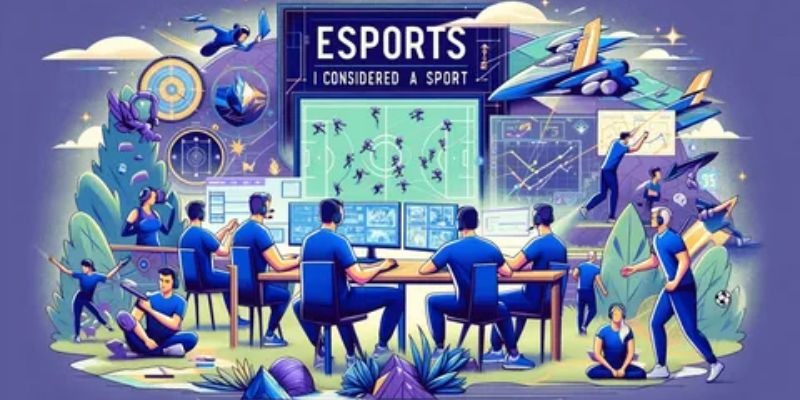
The skill ceiling is extraordinarily high
Professional esports athletes spend 8 to 12 hours a day training. Top League of Legends competitive play stats show players executing hundreds of actions per minute. Counter-Strike professional gameplay analysis highlights split-second decision-making under pressure.
The physical demands are greater than they appear
Studies on esports player heart rate and stress levels show competitors reaching 160–180 BPM during matches. Wrist injuries, eye strain, and repetitive stress conditions are common in professional play.
The competitive infrastructure is fully developed
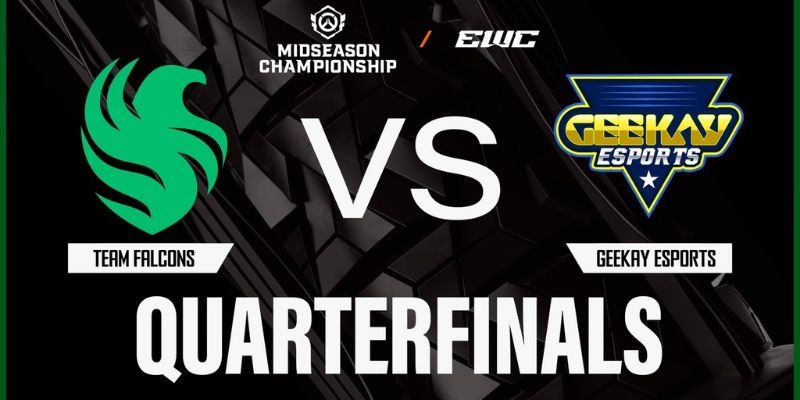
Esports has a mature ecosystem. Events like the League of Legends World Championship, The International Dota 2 tournament, and the Esports World Cup offer massive prize pools. The International 2021 exceeded $40 million USD.
Recognition from major institutions is growing
The International Olympic Committee esports stance shows increasing engagement. Countries like South Korea and China officially recognize esports. The Asian Games esports inclusion marked a major step.
Why Critics Argue Esports Falls Short
The physical activity threshold remains a core objection
Critics argue that sport requires meaningful physical exertion. Without that, esports is often compared to activities like chess or poker.
The health narrative cuts both ways
Research on gaming and sedentary lifestyle risks highlights concerns around posture, sleep, and inactivity.
Standardization and governance remain fragmented
Traditional sports rely on bodies like FIFA official organization and the International Olympic Committee. In esports, publishers like Riot Games and Valve Corporation control their own ecosystems.
How Does Esports Actually Compare to Traditional Sports?
- Viewership: The League of Legends World Championship viewership stats show millions of concurrent viewers.
- Training structures: Many teams now employ sports psychologists and trainers similar to traditional sports organizations.
- Commercial ecosystem: Sponsorships and media rights mirror traditional sports models.
What Experts and Industry Leaders Are Saying
Academic discussion continues to evolve. The Global Association of International Sports Federations granted observer status to the International Esports Federation in 2017.
Traditional sports organizations are also entering the space. Teams like Manchester City esports division, Golden State Warriors organization, and New England Patriots franchise have invested in esports.
The Verdict: Where Does Esports Actually Stand?
Declaring esports a “real sport” depends entirely on which definition you apply. By skill, competition, and scale, esports meets the mark. By traditional physical exertion standards, it does not.
What seems clear is that esports is no longer a fringe activity. With global audiences, major prize pools, and institutional recognition, it occupies a legitimate place in competitive culture.
Frequently Asked Questions
Is esports officially recognized as a sport?
Recognition varies by country. The IOC esports position shows growing interest, while events like the Asian Games have already included esports.
Do professional esports players train like traditional athletes?
Yes. Training includes coaching, analysis, and performance optimization similar to traditional sports.
What are the biggest esports competitions in the world?
The League of Legends World Championship, The International, and the Esports World Cup.
Why do some people argue esports is not a real sport?
The main reason is lack of physical exertion compared to traditional definitions.
What is the future of esports in relation to the Olympics?
The Olympic Esports initiatives suggest growing integration, though full inclusion is still under discussion.
Meta data
Meta title
Is Esports a Real Sport? The Full Debate
Meta description
Is esports a real sport? We break down both sides of the debate, compare esports with traditional sports, and share what experts are saying in 2024.