1. Introduction
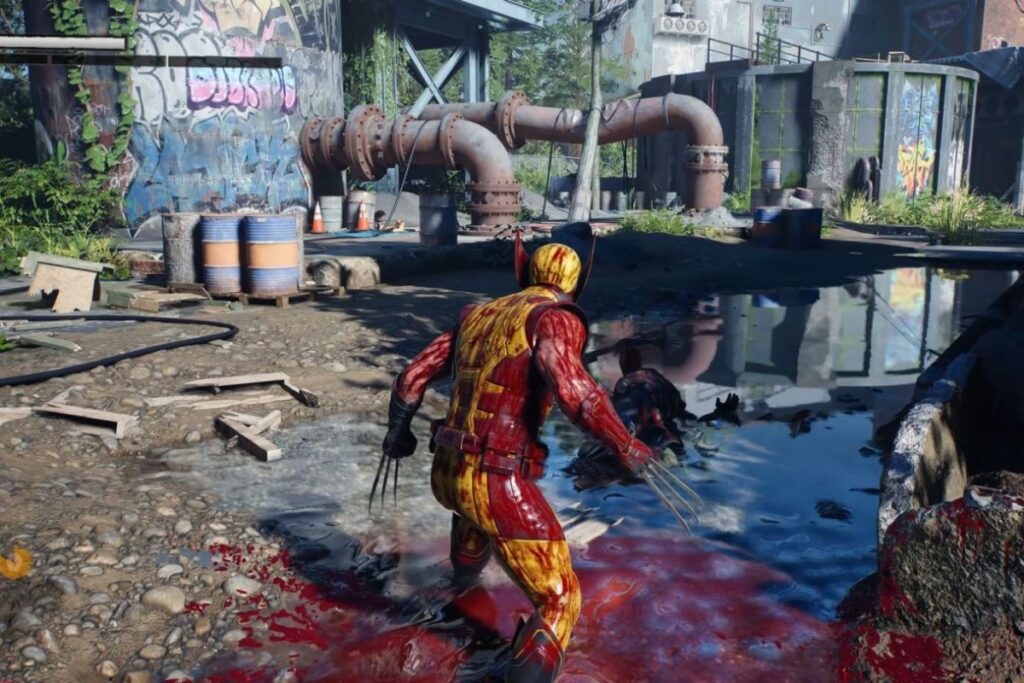
Marvel’s Wolverine is Insomniac Games’ highly anticipated take on one of Marvel’s most recognizable characters. Instead of simply adapting the open-world formula established by the studio’s Spider-Man games, Wolverine is designed as a focused, single-player, narrative-driven action-adventure built around Logan’s claws, healing abilities, violent fighting style, and complicated past.
The game launches on September 15, 2026, exclusively for PlayStation 5, with Sony Interactive Entertainment as publisher and Insomniac Games as developer. The official Marvel’s Wolverine PlayStation page confirms that the game is a single-player, narrative-driven action-adventure and is not designed as an open-world title.
That difference immediately gives the game its own identity. Wolverine should feel heavier and more dangerous than Spider-Man, and everything Insomniac has shown so far suggests the studio is deliberately building combat around Logan’s aggressive close-range attacks rather than simply changing the character model and keeping the same formula.
For anyone searching for a Marvel’s Wolverine review before release, there is already substantial official information and gameplay footage available. However, final technical performance and the complete campaign can only be properly judged once the retail version is released.
2. Story and Setting
Marvel’s Wolverine follows James “Logan” Howlett as he becomes involved in a dangerous conflict surrounding mutantkind.
The story brings Logan back into contact with Team X while he attempts to uncover parts of his forgotten past. Jean Grey is also an important character, while Bolivar Trask and his anti-mutant forces create a major threat.
Insomniac has chosen a global setting instead of restricting Logan’s adventure to one city. Confirmed locations include the Canadian wilderness, Tokyo, and Madripoor. The variety should allow the campaign to shift between snowy wilderness, dense urban environments, and more exotic locations.
The official PlayStation Store listing for Marvel’s Wolverine describes the story as an original adventure focused on identity, loyalty, mutant survival, and Wolverine’s forgotten past.
That is an interesting direction because Wolverine works particularly well when his physical strength is contrasted with emotional vulnerability. His claws and healing factor make him extremely difficult to kill, but his memories and relationships have always been some of the most important parts of the character.
The game also appears to be embracing a darker tone. Insomniac has confirmed that Wolverine is deliberately violent and includes blood and dismemberment, while also providing options that allow players to adjust some violence and language elements.
For readers interested in other story-driven adventures, our Best Games by Genre guide provides additional recommendations.
3. Gameplay and Mechanics

Combat is clearly the centerpiece of the Marvel’s Wolverine gameplay experience.
Instead of fighting primarily from a distance, Logan gets directly into enemy territory. He can slash opponents with his claws, kick, parry incoming attacks, stalk enemies, perform ambushes, and execute powerful finishing moves.
The combat system revolves partly around Rage. Successful attacks, parries, and kills help build Logan’s Rage, which can then be used to enhance his offensive abilities or activate his Healing Factor when he is seriously injured.
The system should make aggressive play particularly important. Wolverine is not supposed to stand safely at the edge of an arena and slowly eliminate enemies. His design encourages players to move toward danger and use Logan’s durability to survive the consequences.
Insomniac has also introduced Techniques and Adaptations. Techniques provide additional combat abilities, while Adaptations can modify aspects of Logan’s capabilities and allow players to adjust their approach.
According to the official PlayStation Blog gameplay breakdown, players can equip multiple Special Techniques, while Rage can be used both offensively and defensively.
Stealth adds another layer to encounters. Logan can stalk enemies and initiate attacks from advantageous positions rather than charging into every fight.
That combination is important for maintaining variety. A Wolverine game could become repetitive very quickly if every encounter involved nothing more than slashing through waves of enemies. Stealth, parrying, special attacks, Rage, and different enemy types give Insomniac more opportunities to vary the pace.
The game also includes traversal and exploration challenges. Logan can investigate Nightmare Doors, discover collectibles, uncover memories, and search for materials connected to his progression and costumes.
4. Graphics and Visual Design

Visually, Marvel’s Wolverine has a noticeably darker presentation than Insomniac’s Spider-Man games.
The Canadian wilderness, Tokyo, and Madripoor give the game several distinct visual identities. That variety should help keep the campaign interesting as Logan moves between locations.
Logan himself also has a more rugged appearance that fits the character. His animations emphasize physical weight and impact rather than the fast, acrobatic movement associated with Spider-Man.
The game is built specifically for PS5 and is also PS5 Pro Enhanced. PlayStation confirms support for DualSense features, while the PS5 Pro version uses Sony’s PSSR technology for image quality and frame-rate improvements.
Costume variety is another appealing aspect. Players can unlock versions inspired by different eras of Wolverine, including Weapon X, Old Man Logan, Ultimate Wolverine, and Patch.
For longtime comic-book fans, these suits provide a nice connection to the character’s history without changing the fundamental gameplay.
5. Sound and Music
Audio is particularly important in a melee-focused game.
Every claw strike, punch, enemy attack, and environmental impact needs to feel physical. Wolverine’s combat depends heavily on the sensation of weight and force, so sound design has an important role in making encounters satisfying.
Insomniac has revealed that composer David Fleming created the game’s score. The soundtrack is designed to respond dynamically to Logan’s journey, allowing the music to shift with the emotional and action-heavy sections of the campaign.
That approach fits the character. Wolverine’s story needs space for quieter moments as well as intense combat, and a dynamic score can help connect those two sides.
The game’s darker tone should also give the soundtrack a noticeably different identity from the more playful musical style associated with Spider-Man.
6. Performance
Performance is one area where a responsible Marvel’s Wolverine PS5 review cannot yet provide a definitive judgment.
The game is scheduled to launch on September 15, 2026, so claims about final frame-rate stability, bugs, loading times, or optimization would be premature without extensive testing of the retail build.
What is confirmed is that the game was built from the ground up for PS5 and supports PS5 Pro enhancements.
The official Insomniac Games accessibility information also confirms a broad range of accessibility options, including challenge adjustments, gameplay assists, visual settings, audio options, and other controls.
That is encouraging for players who want to customize the experience around their own needs.
Technical performance will ultimately need to be judged after launch, particularly because fast melee combat benefits from stable responsiveness.
7. Multiplayer and Replayability

Marvel’s Wolverine is designed as a single-player experience, so multiplayer is not part of the game.
Instead, Insomniac is using optional content and post-campaign features to encourage replayability.
The game includes Mission Replay, Nightmare Challenges, New Game Plus, Photo Mode, additional Techniques, and further progression options.
New Game Plus gives players a reason to return after finishing the main story, while Nightmare Challenges provide additional combat-focused objectives.
Exploration also contributes to replay value. Players can search for collectibles, memories, materials, and other optional discoveries while moving through the campaign.
This is a sensible approach for a focused narrative game. It does not need an enormous open world to justify replaying the experience if the combat remains enjoyable and the optional content is worthwhile.
8. What We Liked
The biggest strength of Marvel’s Wolverine is its clear identity.
Insomniac could have simply copied the structure of its Spider-Man games and replaced web-swinging with claws. Instead, the developer has built the combat around aggression, Rage, healing, parrying, stealth, and brutal close-range attacks.
The global setting is another promising element. Canada, Tokyo, and Madripoor provide different environments and atmospheres, giving the campaign more visual variety.
The costume and claw customization is also appealing, particularly for longtime Wolverine fans who recognize the different versions of the character.
Accessibility is another major positive. Insomniac says the game includes more than 100 accessibility features, giving players substantial control over how they experience the adventure.
9. What Could Be Improved
The biggest unanswered question is combat variety.
Wolverine’s claws should feel satisfying, but even excellent combat can become repetitive if enemy encounters do not evolve. The final game will need enough variation in enemy behavior, objectives, level design, and boss encounters to maintain interest throughout the campaign.
The focused structure may also divide players. Some gamers will appreciate a more controlled narrative experience, while others may expect the freedom and exploration of Insomniac’s Spider-Man games.
Progression is another area worth watching. Rage, Techniques, Adaptations, suits, and other systems appear promising, but their long-term value will depend on how naturally they are introduced and balanced.
These are not confirmed flaws. They are simply areas that cannot be fairly judged until the complete game has been played.
Players looking forward to other major releases can also explore our Upcoming Game Releases coverage.
10. Final Verdict
Marvel’s Wolverine is shaping up to be one of Insomniac Games’ most interesting departures.
Its biggest advantage is that the developer appears determined to make Wolverine feel like Wolverine. The aggressive combat, claws, Rage system, Healing Factor, Techniques, Adaptations, stealth, and brutal finishing attacks all support the character instead of simply borrowing another superhero game’s structure.
The story also has promising ingredients, combining Logan’s past with mutant survival, Team X, Jean Grey, and familiar Marvel threats.
However, the final verdict should remain provisional until the September 15 release. Performance, bugs, loading times, pacing, enemy variety, and the quality of the full campaign need proper hands-on testing before they can be judged conclusively.
Based on everything officially revealed so far, Marvel’s Wolverine looks like a strong choice for PS5 players who want a darker, more aggressive, story-focused superhero adventure.
Wolverine fans should have plenty to look forward to, particularly if they enjoy melee combat and narrative-driven action games. Players expecting a Spider-Man-style open world should adjust their expectations, because this is designed as a more focused experience.
For readers comparing other PlayStation titles, our Best PS5 Games guide can help you find more games worth playing.